
Planning a Mount Toubkal trek from Imlil means choosing more than a summit date. You need a realistic itinerary, time to adjust to altitude, the right seasonal equipment and a clear plan for local guiding and refuge arrangements. This guide brings those decisions together so you can compare a fast two-day climb with a more relaxed approach before setting out from the High Atlas village.
Mount Toubkal trek from Imlil: route and itinerary
Imlil, roughly 1,700 metres above sea level, is the usual starting point for the standard ascent of Jebel Toubkal. From the village, the trail climbs through the Mizane Valley, passing settlements such as Aroumd before continuing toward the mountain refuge at about 3,200 metres. The summit stands at 4,167 metres, making it the highest point in Morocco and North Africa.
A typical two-day itinerary hikes from Imlil to the refuge on day one, then starts early for the summit and descends toward Imlil on day two. It is efficient, but summit day is long: expect several hours of climbing followed by a substantial descent. A three-day plan can spread the effort and allow an easier first day; a four-day trip may add time in Imlil or nearby valleys. The extra day is useful for acclimatisation and enjoying the landscape, not just for reaching the top.
There is no single pace that suits everyone. Ask what is included in a proposed itinerary—transfers, refuge beds, meals, mule support and equipment can be handled differently between operators. Compare the details, not only the number of days. See our guided Mount Toubkal trek options from Imlil and scheduled trek dates while planning.
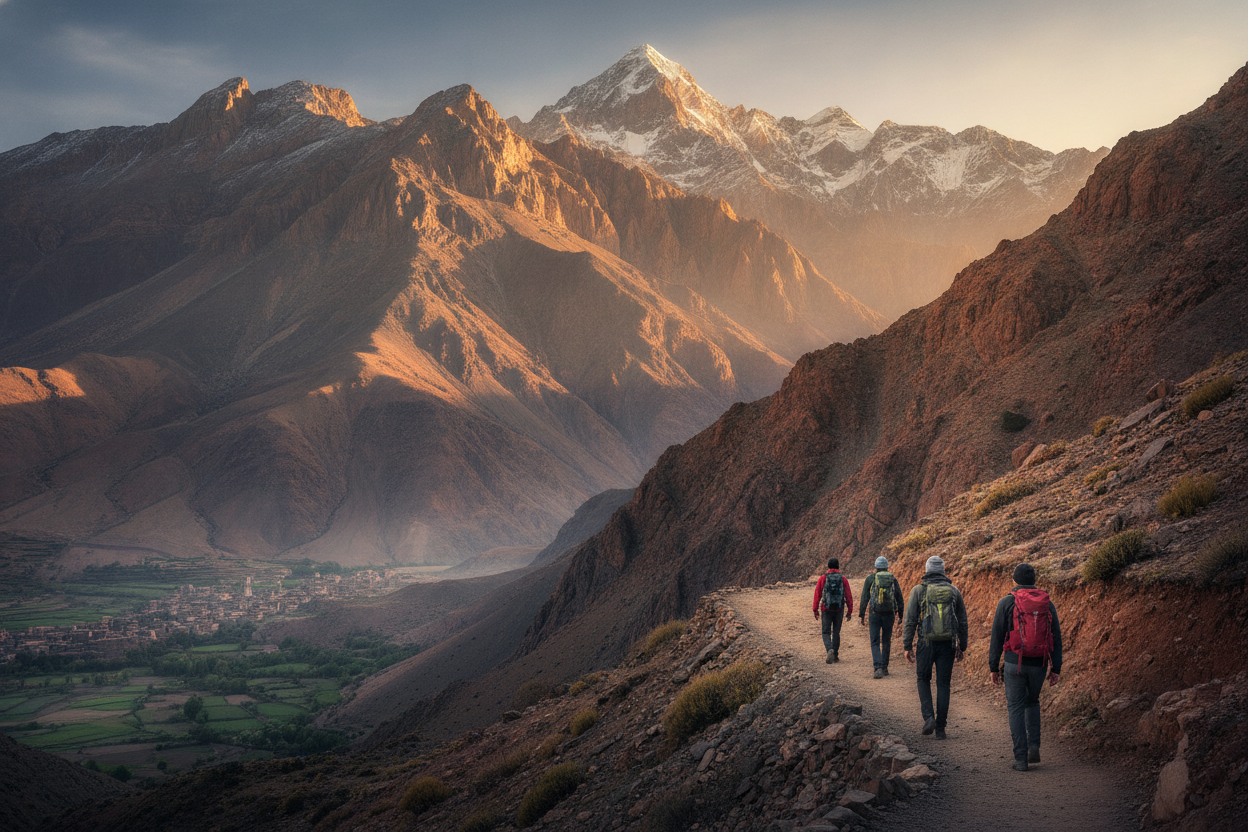
Getting from Marrakech to the trailhead
Imlil is the practical base for the climb, around 60 kilometres from Marrakech by road. The drive commonly takes about 75–90 minutes, depending on traffic and road conditions. Arrange your transfer in advance if you have a fixed start time, and leave a buffer rather than planning a tight connection from a flight. A night in Imlil before the trek makes it easier to meet your guide, check equipment and start rested.
How difficult is the Mount Toubkal trek?
The normal route is generally a hike rather than a technical rock climb in snow-free conditions, but that does not make it easy. Long uphill and downhill sections, loose or rocky ground, cold wind and reduced oxygen at altitude can make the effort demanding. A person who is comfortable on ordinary walks may still find a full summit day strenuous.
Altitude and acclimatisation
At 4,167 metres, Toubkal is high enough for altitude symptoms to affect some visitors. Headache, nausea, dizziness or unusual fatigue deserve attention; do not treat pushing on as a test of willpower. Build a measured pace into the plan, drink regularly, and tell your guide promptly if you feel unwell. Descending is the important response to worsening symptoms. Anyone with medical concerns should seek professional advice before booking.
One detail many quick itineraries underplay is the return journey: descending tired legs over uneven terrain also requires care. Trekking poles, a steady pace and a group plan for regrouping can make the day more manageable. Training on hills before the trip—especially longer walks with the daypack you intend to carry—helps you arrive more confident.
When is the best time to climb Mount Toubkal?
Spring and autumn are often chosen for milder daytime conditions, but mountain weather is variable in every season. Summer can bring heat on exposed lower trails, while winter and shoulder-season storms may mean snow, ice, very cold starts or a route change. Conditions can shift between Imlil and the summit, so a forecast for Marrakech is not a useful substitute for a mountain forecast.
In snow or ice, extra equipment such as crampons and an ice axe may be needed, along with the knowledge to use them. Ask the local guide about the actual route conditions close to your departure date; do not assume winter gear is either always needed or never needed. Flexible plans and a willingness to turn around are part of responsible mountain travel. The summit is not guaranteed, and a safe decision to descend can still make for a worthwhile Atlas experience.
What to pack and arrange before leaving Imlil
Bring broken-in hiking footwear with good grip, layered clothing, a warm insulated layer, waterproof shell, gloves and a hat. A headlamp is valuable for an early start. Pack sun protection, sunglasses, water, snacks, personal medication and a small first-aid kit. For colder months, confirm the sleeping-bag and technical-equipment requirements with your operator rather than relying on a generic list.
Check refuge availability and what bedding, meals and water are provided. Carry identification and confirm any current access or guiding requirements with a reputable local guide or operator before travel; rules and procedures can change. Ask who will lead the trek, what happens if weather prevents a summit attempt, and whether your transport back to Marrakech is included. Choosing a local team that explains these practicalities clearly helps you plan with fewer surprises.
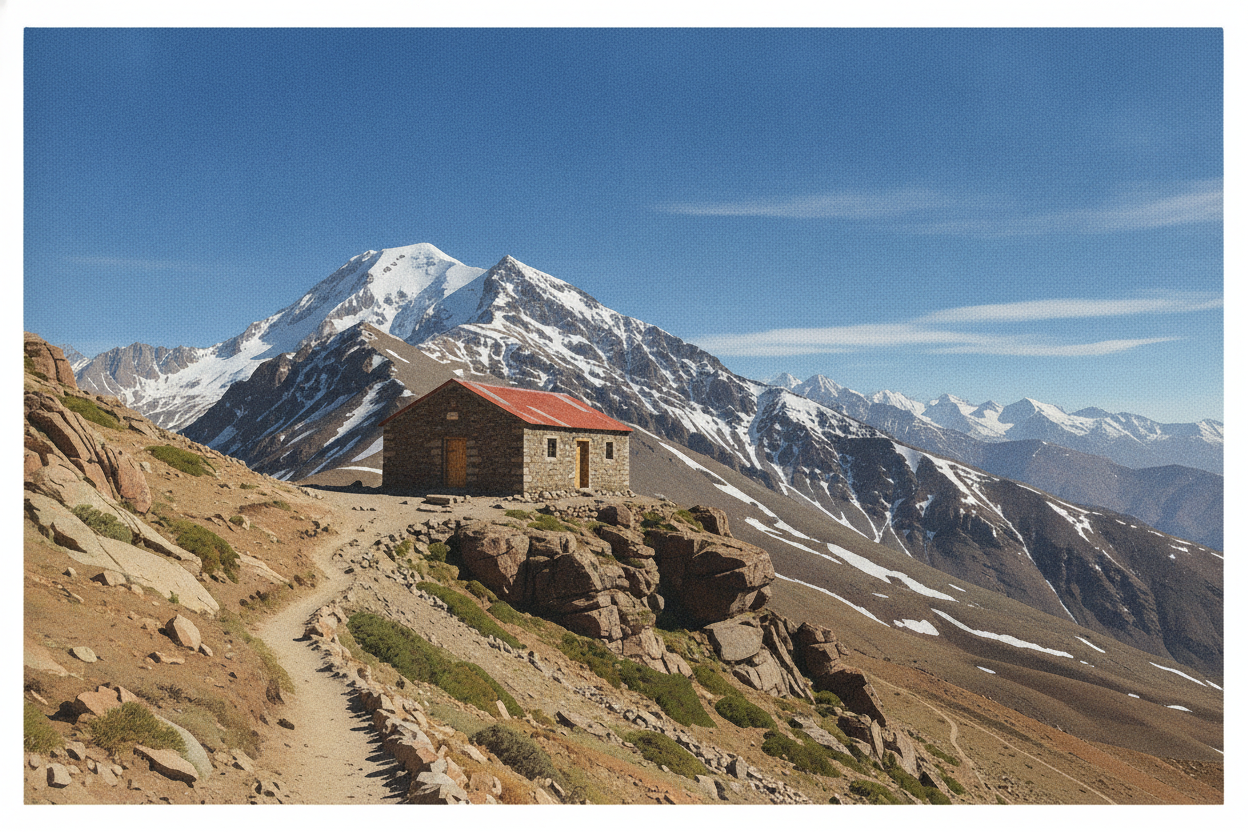
Mount Toubkal trek FAQs
How many days do you need to climb Mount Toubkal?
The standard summit trek is commonly planned over two days, with a night at the refuge. Three or more days allow a gentler approach or extra time in Imlil and the surrounding valleys. Pick the schedule that matches your fitness, acclimatisation and available time, rather than choosing only by speed.
Do you need a guide to climb Mount Toubkal?
Guiding and access requirements can change, and local procedures matter. Confirm the current rules with a reputable local operator before departure and arrange an appropriately qualified guide for your route. A local guide also helps assess conditions and manage the day safely.
How fit do you need to be?
You should be comfortable with sustained uphill walking and a long day on uneven ground. Prepare with regular hill walks, ideally carrying the daypack you plan to use. If you are unsure whether the route is suitable, discuss your experience and health with the guide before booking.
Can beginners climb Mount Toubkal?
Some first-time trekkers complete the standard route, but beginners should not mistake “non-technical” for effortless. Choose a realistic itinerary, train beforehand and follow local advice. Snow or ice can significantly change the demands and equipment required.
What is the best time of year for a Toubkal trek?
Spring and autumn are popular for more moderate temperatures, while summer and winter each bring different challenges. Conditions vary from year to year; check a mountain-specific forecast and get a local update before setting out.
Plan your trek from Imlil
A rewarding Toubkal ascent starts with an itinerary that respects altitude, weather and the descent as much as the summit. Compare guided trek durations, check your dates, and ask practical questions before you travel. For more on the region, return to the Imlil Treks homepage.